What Benefits Does an Automotive Production Line Bring?—Car Production Line

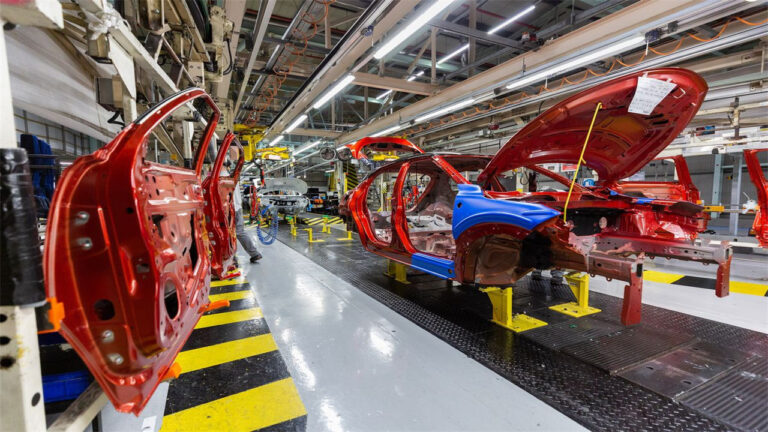
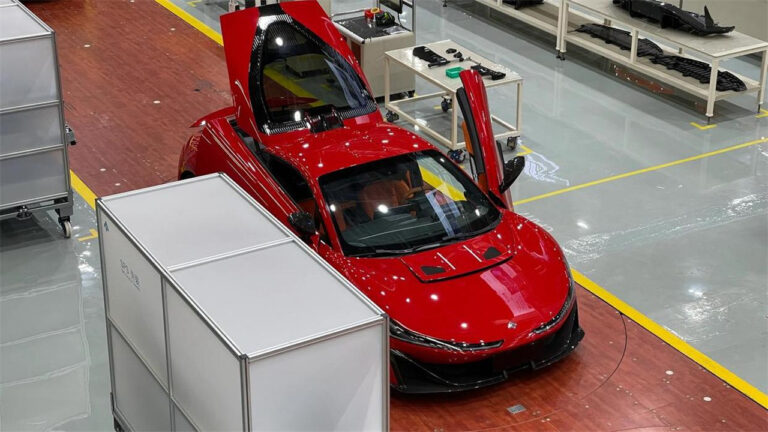
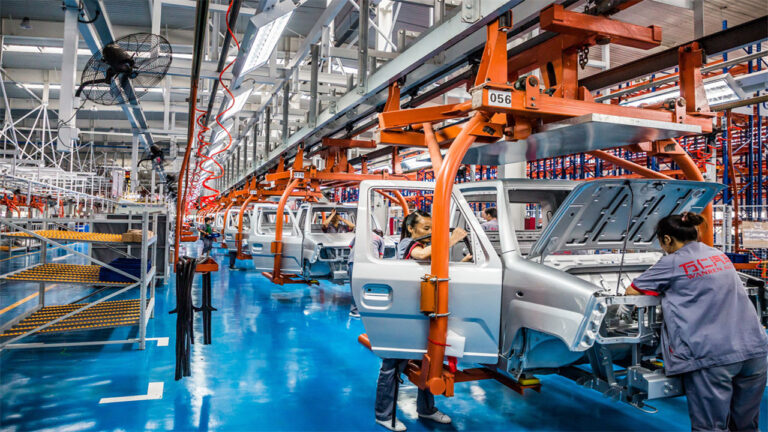
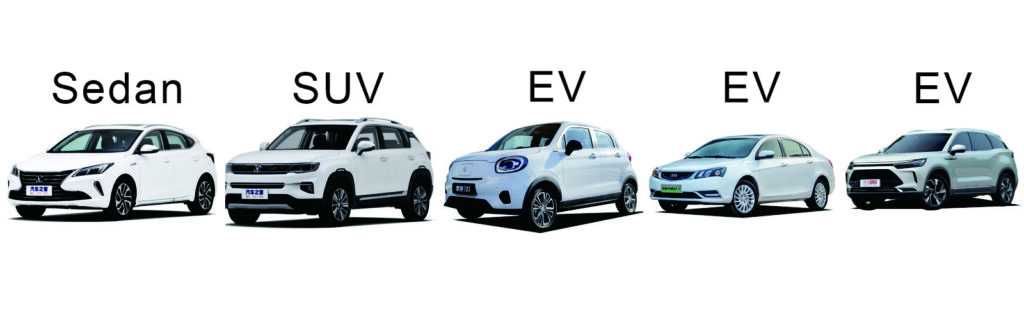
Automobile Production Lines/Assembly Lines are Suitable to Assemble/Produce 4 wheelers, Cars, Sedans, SUVs, Automobiles, EVs and so on.(Sometimes, suitable for Pickups production.)
The automotive production line is the core of modern vehicle manufacturing, delivering comprehensive and revolutionary benefits to the entire factory. These benefits can be summarized as follows:
1. Significant Improvement in Efficiency and Production Capacity
- Mass Production: The assembly line enables flow-line operations, transitioning automobile manufacturing from workshop-style production to the era of large-scale manufacturing. Through detailed workstation division and cycle time control, production speed is greatly enhanced.
- Parallel Operations: Different stations can perform different assembly tasks simultaneously (e.g., installing interiors, hoisting engines, fitting doors), significantly reducing the production cycle time per vehicle.
- Reduction of Non-Value-Added Time: The line-side material supply system delivers parts accurately to workers’ hands, drastically reducing time spent searching, moving, and handling parts, allowing them to focus on the assembly itself.
Result: The factory can produce more cars in less time and at a lower cost, meeting market demand.
2. Consistency and Control of Product Quality
- Standardized Work: Each station has strict operating procedures and standards, ensuring every worker performs assembly in a uniform and correct manner, minimizing human variation and errors.
- Error Prevention and In-Line Inspection: The use of specialized tools like torque wrenches ensures consistent tightening of critical fasteners. Meanwhile, establishing “quality gates” after key stations allows problems to be identified and resolved immediately, preventing defects from flowing to the next process and greatly reducing the cost of final rework.
- Traceability: Through the Vehicle Identification Number (VIN), key component suppliers, assembly personnel, and inspection data for each vehicle can be traced, facilitating rapid problem identification and recalls.
Result: The quality of finished products is highly stable and reliable; every vehicle meets the same high standard, thereby enhancing brand reputation and customer satisfaction.

3. Significant Reduction in Production Costs
- Reduced Reliance on Highly Skilled Workers: Complex processes are broken down into simple operations, reducing the need for and training costs of all-around skilled technicians.
- Optimized Space Utilization: The flow-line layout is compact, using less production area than stationary assembly, achieving higher space efficiency.
- Reduced Work-in-Process (WIP) Inventory: The flow line accelerates material movement, shortening the time frames and components spend on the line, thereby reducing tied-up capital.
Result: While ensuring quality, the manufacturing cost per unit is effectively controlled, enhancing the product’s price competitiveness.
4. Refined and Visualized Production Management
- Clear Status Overview: Managers can clearly see the production line’s operational status, current output, bottleneck stations, and whether production is on schedule.
- Data-Driven Decision-Making: Integration with information systems like the Manufacturing Execution System (MES) enables the collection of real-time data, providing a scientific basis for efficiency improvements, process optimization, and predictive maintenance.
Result: Management shifts from “relying on experience” to “relying on data,” achieving scientific and refined production management.
5. Enhanced Production Flexibility
- Mixed-Model Production: Modern flexible assembly lines (especially those using AGVs) can produce different models and configurations on the same line, allowing flexible adjustment of production plans based on market orders.
- Rapid Response to Change: When launching new models or facelifts, specific stations can be modified quickly without rebuilding the entire production line, significantly shortening the product iteration cycle.
Result: The factory can quickly respond to diverse and personalized customer demands, adapting to a rapidly changing market.