TV Assembly Line Design—Assembly Line Design and Fabricate
Description
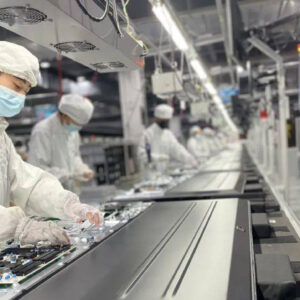
We are a professional manufacture of TV Assembly Line/TV Production Line solutions.
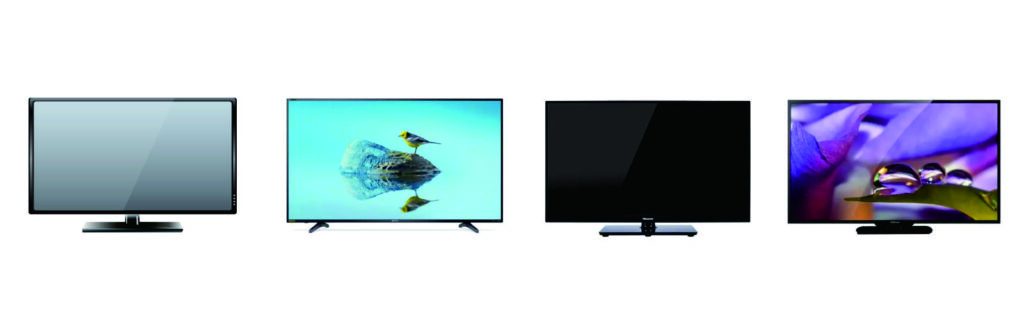
TV Assembly Lines/TV Production Lines are Suitable to Assemble/Produce following Televisions and TVs and so on.
Television Assembly Line Design
Core Process Flow & Workstation Design
A complete television assembly line typically consists of three main segments:
A. Front Segment: Board Preparation & Pre-Assembly
1. Station 1: Mainboard/Power Board Loading & Testing
Operation: Install the mainboard and power board onto pre-assembly brackets; perform online power-on testing.
Equipment: Automatic power-on testers, pneumatic screwdrivers, ESD protection facilities.
Error-Proofing: Testers are linked to the MES; only units that PASS can proceed.
B. Middle Segment: Screen Module & Structural Assembly
2. Station 2: Screen Module Installation
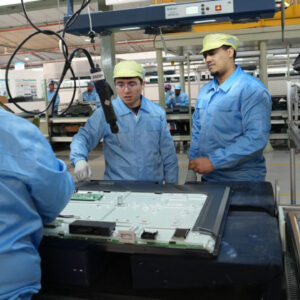
Operation: Carefully place the LCD/OLED panel into the front bezel and install related driver boards.
Design Key Point: Use vacuum suction cups and other assistive tools to prevent screen scratches and breakage. Strict cleanroom environment requirements.
3. Station 3: Mainboard & Screen Connection
Operation: Connect the mainboard to the screen driver board via flexible printed circuits (FPC).
Error-Proofing: Use color codes or foolproof connectors to prevent reverse or incorrect insertion.
4. Station 4: Rear Cover Closure
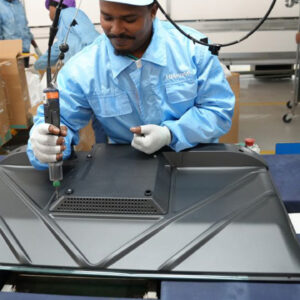
Operation: Place the rear cover and fasten screws using automatic screwdrivers.
Equipment: Multi-spindle automatic screwdriving machines ensure consistent torque and record data.

C. Rear Segment: Final Testing & Packaging
5. Station 5: Aging & Functional Testing
Operation: Enter the burn-in room for load-based, high-temperature aging. Then conduct comprehensive signal, image, sound, and network tests.
Automation Solution: Implement an automated testing system where robotic arms automatically connect/disconnect cables, test software automatically judges results, and data is uploaded to the MES. This is a key link for improving efficiency and quality.
6. Station 6: Cleaning & Visual Inspection
Operation: Automated cleaning equipment removes fingerprints and dust, followed by a final manual visual inspection.
7. Station 7: Accessory Packing
Operation: Pack accessories like the remote control, batteries, user manual, and cables.
Error-Proofing: Use machine vision systems or weight checks to ensure all accessories are included.
8. Station 8: Automated Packaging & Palletizing
Operation: Automated bagging, carton sealing, labeling; robotic palletizing.
Equipment: Automatic carton erectors, bagging machines, case sealers, industrial robots.