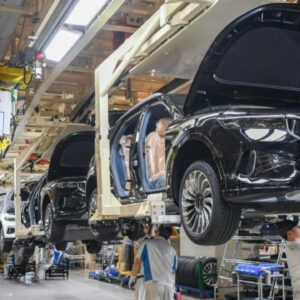
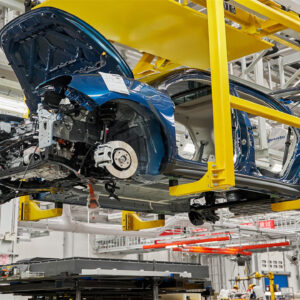
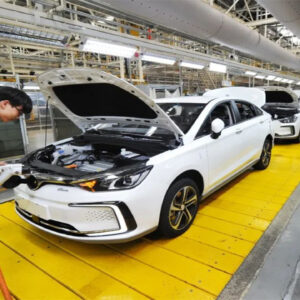
EV SKD/CKD Assembly Line—–SKD/CKD Assembly Line Factory
EV SKD/CKD assembly lines adapt to the specific needs of electric vehicle production, combining traditional car manufacturing with new energy tech requirements. In SKD, major components like powertrains are partially assembled abroad and finished locally. CKD involves importing completely disassembled parts for local assembly, boosting local industry. These lines emphasize electrical system checks, technological applications, and digital marketing for customized production. Automation advancements ensure efficient, high-quality EV manufacturing, meeting environmental and energy-saving trends.
Description
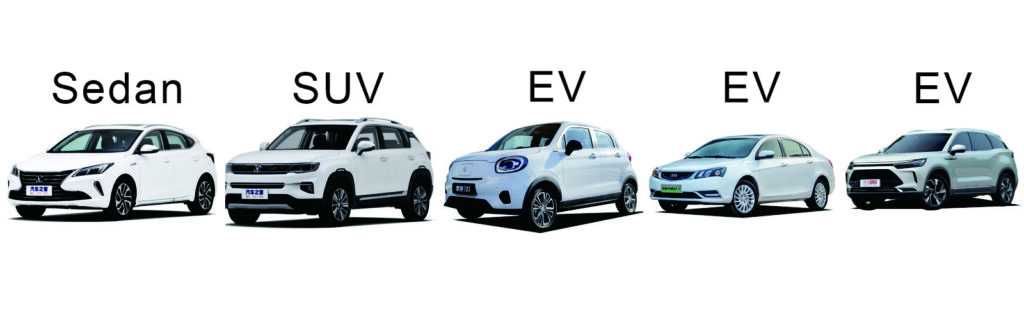
EV Assembly Lines/Production Lines are Suitable to Assemble/Produce 4 wheelers, Cars, Sedans, SUVs, Automobiles, EVs and so on.(Sometimes, suitable for Pickups production.)
EV SKD/CKD assembly lines refer to the Semi-Knocked Down (SKD) and Completely Knocked Down (CKD) assembly lines for electric vehicles (EVs). These assembly lines cater to the unique production requirements of electric cars, combining traditional automotive manufacturing processes with the specific technical demands of new energy vehicles.
1. **SKD Method**: In the SKD method, major components such as the powertrain, cockpit, and chassis are manufactured abroad and imported for further assembly into complete vehicles in the destination country. For electric vehicles, this means that key components like battery packs, electric motors, and electronic control systems may be pre-assembled or partially assembled, with final assembly completed in the destination country.
2. **CKD Method**: The CKD method involves importing vehicle parts completely disassembled and completing all production processes, including welding, painting, and assembly, in the destination country. For electric vehicles, this may include the assembly of battery modules, installation of electric motors, and integration of electronic control systems. The CKD model helps to upgrade the local automotive industry, promote industrial upgrading, and increase localization rates.
3. **Electrical System Inspection**: In the assembly process of electric vehicles, special attention must be paid to the inspection of the electric drive system and high-voltage electrical systems, which is significantly different from traditional vehicles. EV assembly lines require enhanced checks for electrical performance and safety to ensure the performance and safety of electric vehicles.

4. **Technological Application**: With the development of electric vehicle technology, digital technologies, intelligent manufacturing technologies, and 3D printing technologies are also widely applied in EV assembly lines to improve production efficiency and product quality.
5. **Digital Marketing and Order-Based Production**: Process design needs to break through traditional thinking patterns to achieve precise production, rapid delivery, and meet demanding customer requirements. This puts new process demands on the ultra-flexible design of the production system, quick and accurate logistics, real-time tracking and positioning, digitalization of the factory, and the level of intelligence.
6. **Enhanced Automation**: Automation and intelligent assembly on the final assembly line have made significant progress, with breakthroughs in some technical difficulties. Large components have basically achieved automated assembly, such as the front and rear windshield automated assembly stations, which realize automatic cleaning, priming, conveying, gluing, assembly, and inspection.
In summary, EV SKD/CKD assembly lines need to adapt to the unique production requirements of electric vehicles, including the integration of electric drive systems, inspection and assembly of batteries and electronic control systems, and adapt to trends in environmental protection and energy saving.