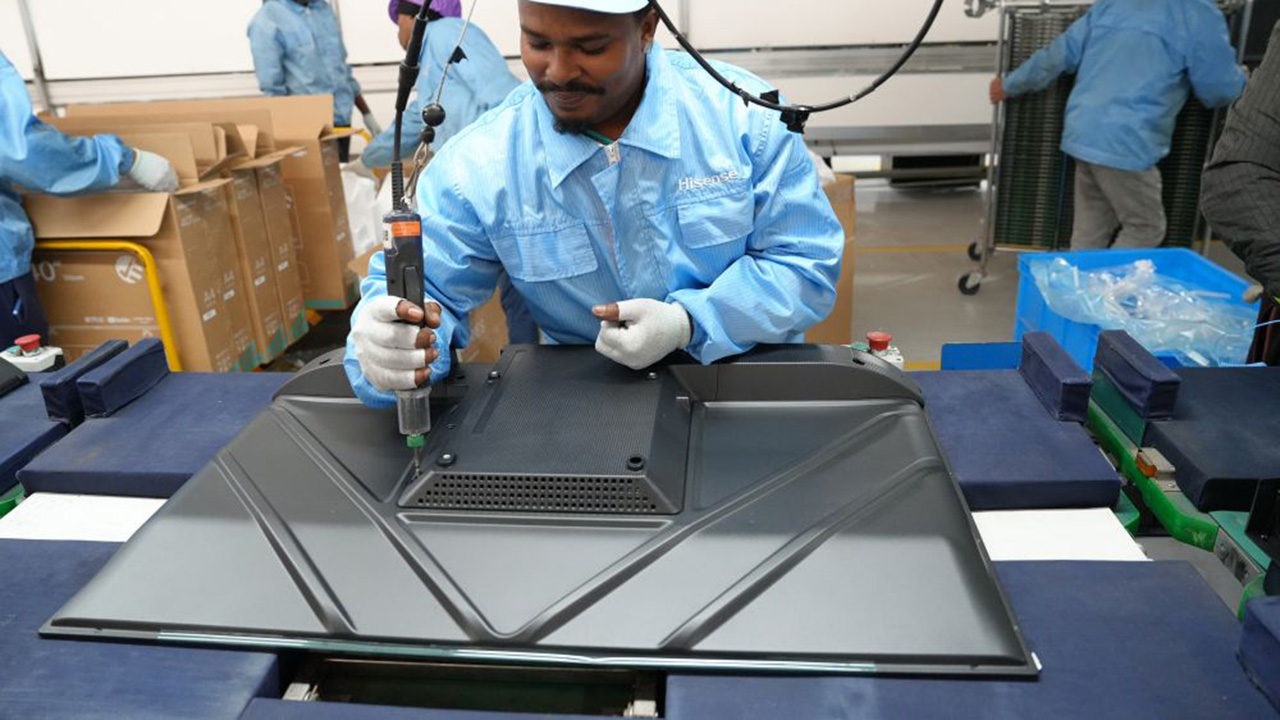
Characteristics of TV Assembly Line—TV Automated Assembly Line to export
Description
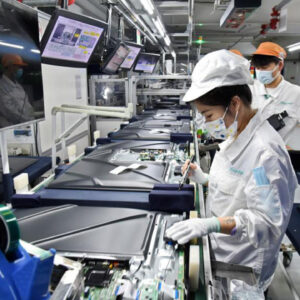
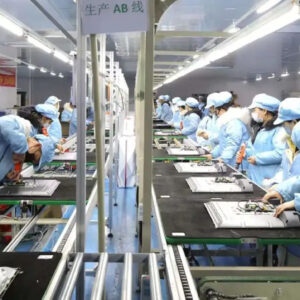
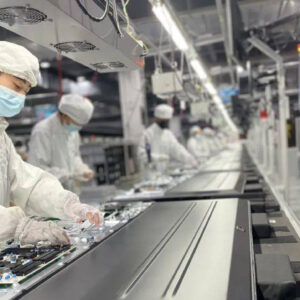
We are a professional manufacture of TV Assembly Line/TV Production Line solutions.
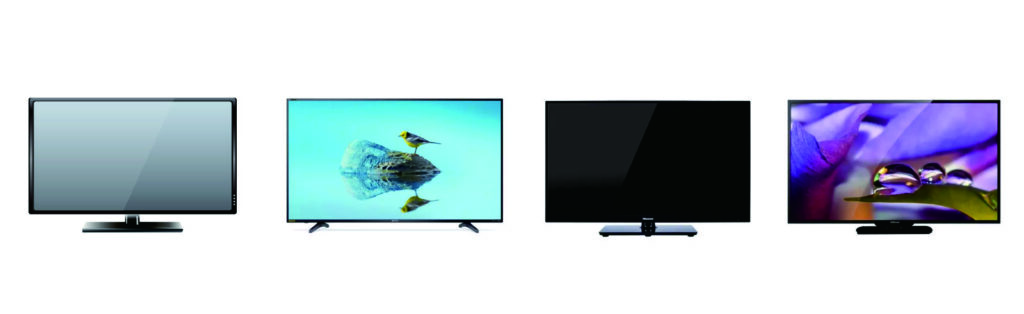
TV Assembly Lines/TV Production Lines are Suitable to Assemble/Produce following Televisions and TVs and so on.
Main Characteristics of Television Assembly Lines
1. High Degree of Automation and Intelligence
This is the core feature of modern TV assembly lines.
Widespread Use of Industrial Robots: Robots, such as articulated and SCARA robots, are widely used for repetitive and high-precision tasks like handling, gluing, screw fastening, screen attachment, and packaging, replacing a significant amount of manual labor.
Automated Conveyance Systems: Automated Guided Vehicles (AGVs) or high-precision conveyor belts are used to automatically transport materials and semi-finished products between workstations, seamlessly connecting various production stages.
Machine Vision Inspection: High-resolution cameras are used for automated inspection at key processes (e.g., screen defect detection, component placement, label verification, final appearance check). This method is much faster and more accurate than manual visual inspection.
2. Modularity and Flexible Production
To meet diverse market demands (different sizes, models, features), assembly lines are designed for great flexibility.
Modular Design: Production lines consist of multiple standardized modules (e.g., screen mounting module, mainboard installation module, calibration module) that can be quickly adjusted or reconfigured based on the product model.
Flexible Manufacturing Systems (FMS): Through programming, a single production line can produce mixed models and sizes of TVs. AGVs and robots can automatically identify the product model and execute the corresponding assembly program.
Quick Changeover: Jigs and fixtures are designed for rapid replacement to minimize downtime when switching product models.
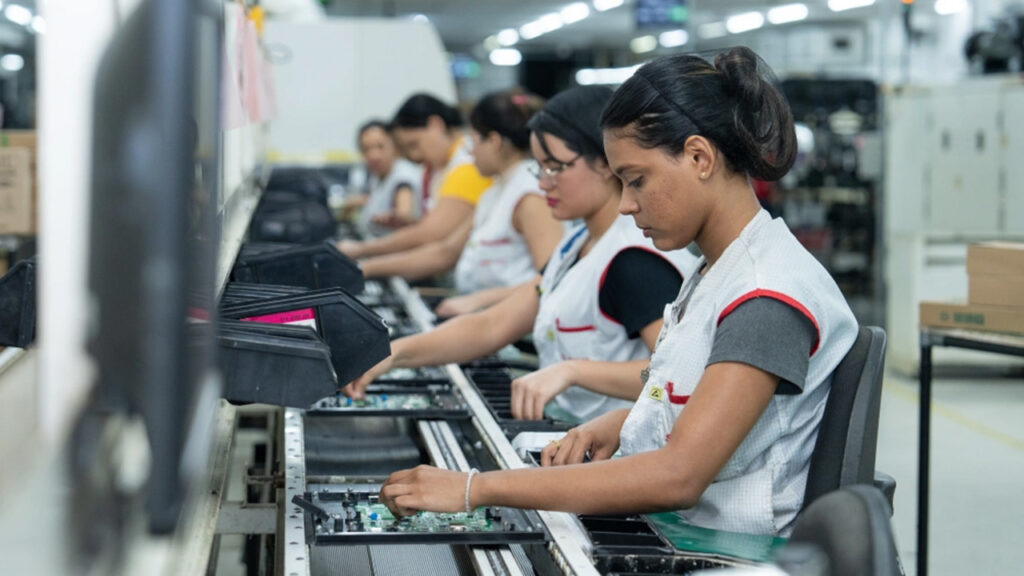
3. Informatization and IoT (Industrial Internet of Things)
The production line is deeply integrated with information systems, enabling data-driven manufacturing.
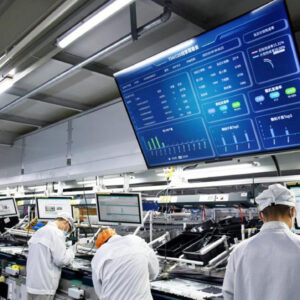
Real-Time Data Collection and Monitoring (SCADA): Sensors and PLCs collect real-time data on equipment status, output, yield rates, etc., which is displayed visually on central dashboards.
Manufacturing Execution System (MES): Manages production orders, material traceability, work instructions, and quality control. Each TV’s unique serial number can be traced, recording all key components used, workstations passed, operators, test data, etc.
Predictive Maintenance: By analyzing equipment operation data, potential failures can be predicted, allowing for maintenance before issues occur and reducing unplanned downtime.
4. Strict Quality Control System
Quality is a lifeline integrated throughout the entire process.
Full-Process Inspection: Quality control is not just the final step but is integrated into every stage, including Incoming Quality Control (IQC), In-Process Quality Control (IPQC), and Final Quality Control (FQC).
Automated Online Testing: During assembly, automated tests such as power board testing, signal board testing, white balance calibration, and dead pixel detection are conducted.
Aging Tests: Assembled TVs enter a “burn-in” room where they operate under power for an extended period to screen out early failures and ensure the reliability of finished products.