Showing 113–128 of 293 results
-
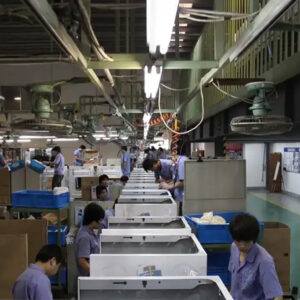
We specialize in providing solutions for Washing Machine Assembly Lines/Production Lines. Washing Machine Assembly Lines/Production Lines are Suitable to Assemble/Produce Washing machines.(Welcome to contact us, we will suggest and design the suitable Assembly Lines/Production Lines for you.) Core Components of a CKD Washing Machine Assembly Line A typical CKD assembly line is not just a…
-

E-bike Assembly Lines are Suitable to Assemble/Produce 2 wheel Motorcycles, 2 wheel Scooters, 2 wheel Electric-cycles, 2 wheel E-Bikes, Bicycles, and so on. Design Plan for a Two-Wheel Electric Vehicle Assembly Line I. Design Goals 1. Goals: High Efficiency: Achieve the predetermined production takt time (e.g., one vehicle rolls off the line every X minutes)….
-
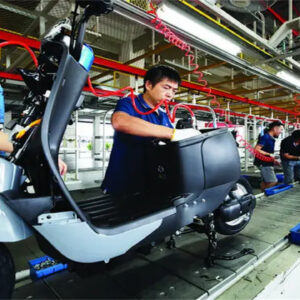
The E-bike assembly line involves frame welding, motor and battery installation, electrical assembly, wheel assembly, braking system setup, accessory fitting, function testing, safety checks, quality inspection, and packaging. This process ensures efficient, safe production of high-quality electric scooters.
-
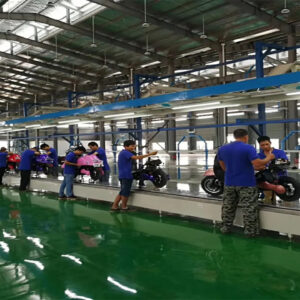
E-bike CKD production lines involve importing fully disassembled parts for local assembly, offering tariff benefits and boosting local manufacturing skills. They create jobs, ensure quality control, and are flexible to adapt to market demands. These lines are cost-effective, environmentally friendly by reducing transportation impacts, and contribute to industrial development in the host country.
-
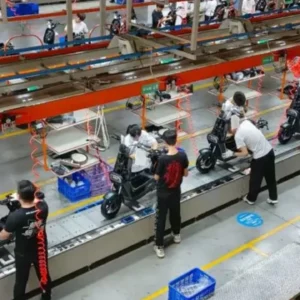
The E-bike CKD/SKD assembly line is used for efficient local assembly of electric bicycles. It involves receiving pre-manufactured parts, conducting quality inspections, and then final or partial assembly according to CKD or SKD kits. This includes electronic system configuration, wheel assembly, suspension and frame integration, braking system installation, overall assembly, performance testing, quality control, and packaging for shipment. This assembly method is flexible and cost-effective, helping to meet local regulations and reduce transportation costs.
-
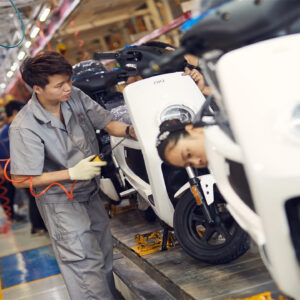
The E-bike SKD assembly line is tailored for semi-knocked down electric bike assembly, focusing on customization, quality control, and safety. It integrates automation systems for efficient production management. The line prioritizes the assembly of key components like batteries and electric control systems, ensuring environmental protection and performance standards are met.
-
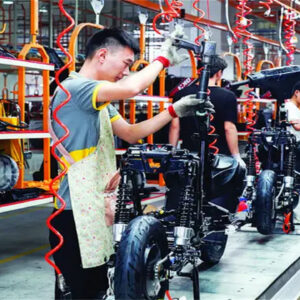
The electric scooter production process includes design and prototyping, material sourcing, cutting and shaping parts, assembling motors and batteries, wiring circuits, frame assembly, quality testing, and packaging for shipping. This ensures efficient, reliable scooters that meet daily commuting needs.
-
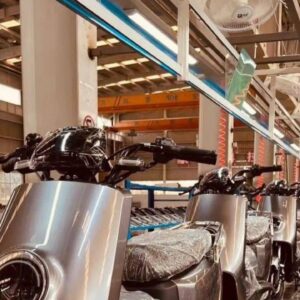
The E-scooter CKD assembly line involves disassembling electric scooters into components for assembly in target markets. This approach reduces costs, adapts to local demands, avoids high tariffs, and supports local production. Key steps include part reception and inspection, sorting and storage, assembly, electronic system setup, performance testing, quality control, final inspection, and packaging for shipment. This flexibility allows quick market response and cost efficiency.
-
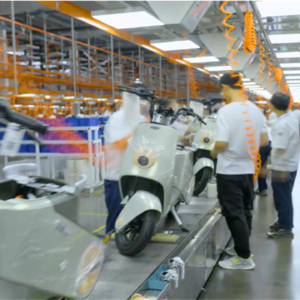
The E-scooter intelligent assembly line features automation for tasks like welding and component assembly, ensuring efficiency and quality. It’s designed with modularity for flexibility across models, incorporates energy-saving and eco-friendly practices, and integrates intelligent systems for real-time monitoring. Safety is paramount, and performance testing is crucial to meet speed, range, and climbing standards.
-
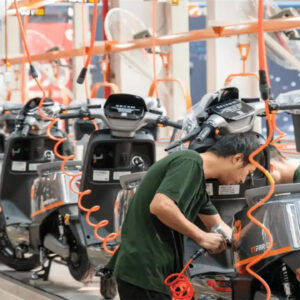
The E-bike assembly line mainly includes preliminary part assembly, motor and battery installation, electronic control system assembly, handlebar and cable wiring, final assembly, performance testing, quality inspection, painting and decoration, packaging and logistics, and data tracking and feedback. These stages ensure a smooth manufacturing process from parts to finished products.
-
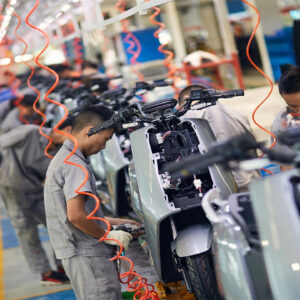
The electric scooter assembly line is designed for efficient assembly, with customization, high load capacity, and flexibility. It integrates automation, is easy to maintain, and prioritizes safety. Adaptable for various models, it’s energy-efficient and ensures continuous production with built-in quality control.
-
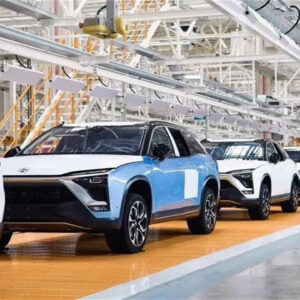
The EV assembly line is tailored for electric vehicle production, integrating automation and lean manufacturing. It includes stamping for body parts, robotic welding, painting processes, and final assembly with interiors and powertrains. Key components like batteries and motors are installed in dedicated areas. Quality checks are conducted throughout, and vehicles are tested on a track. Information systems like MES manage production, ensuring energy efficiency and sustainability.
-
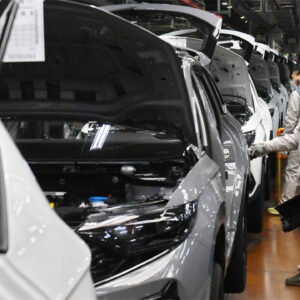
EV production lines boost efficiency by reducing labor needs, increasing speed and precision, minimizing errors, and optimizing processes. They enhance flexibility, lower injury risks, enable predictive maintenance, collect data for analysis, and support continuous operation. This leads to cost savings and improved competitiveness.
-
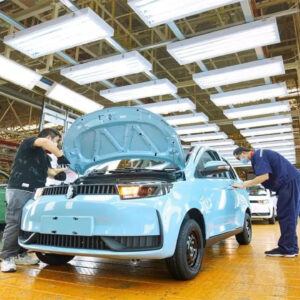
The EV automated assembly line is designed for efficient electric vehicle production. It features automated stamping, robotic welding, and painting processes. Core components like batteries and motors are installed by automated systems. Modular assembly and quality control checks ensure precision. Information management systems optimize production, and energy efficiency measures reduce environmental impact, meeting the demand for sustainable, high-quality electric vehicles.
-
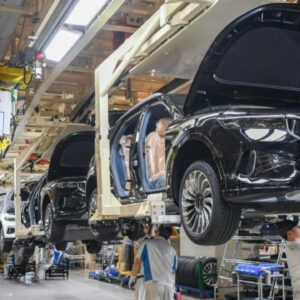
EV CKD assembly lines are customized for electric vehicles, emphasizing quality control, especially for electric drive and high-voltage systems. They integrate digital technology and intelligent manufacturing for efficiency and feature modular, automated designs for flexibility. These lines also prioritize environmental sustainability and energy efficiency, adapting to various EV models and market demands.
-
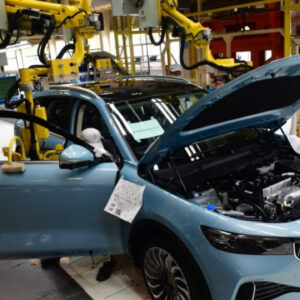
EV intelligent assembly lines offer high automation, flexible design, efficient production, and strong adaptability. These lines are also cost-effective, reducing production costs through improved efficiency and lower labor needs. They support customization to meet diverse market demands and contribute to environmental sustainability by minimizing waste.