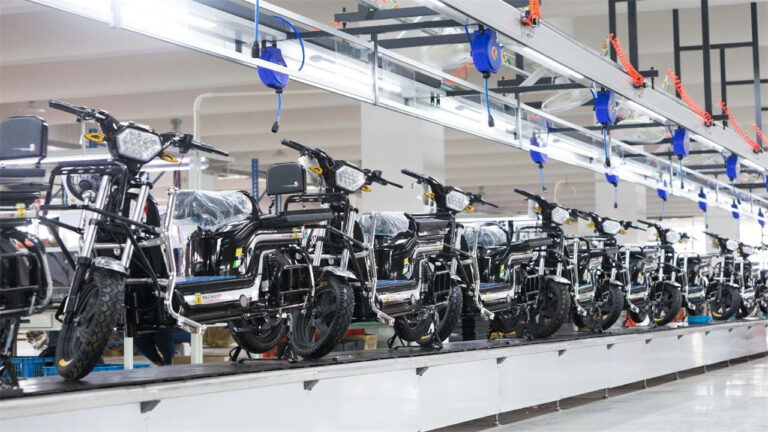
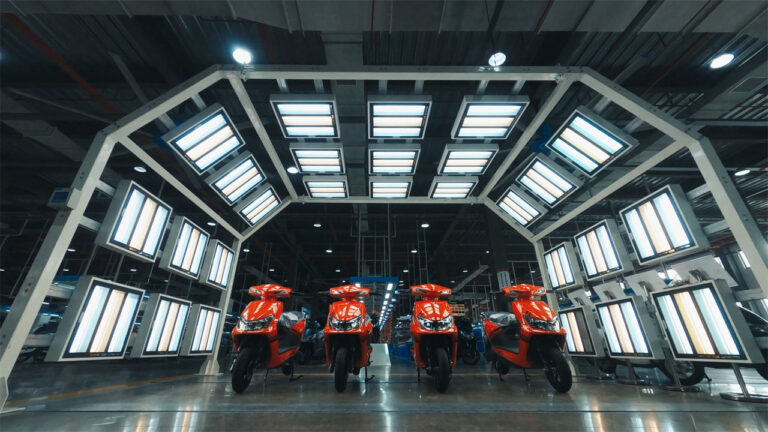
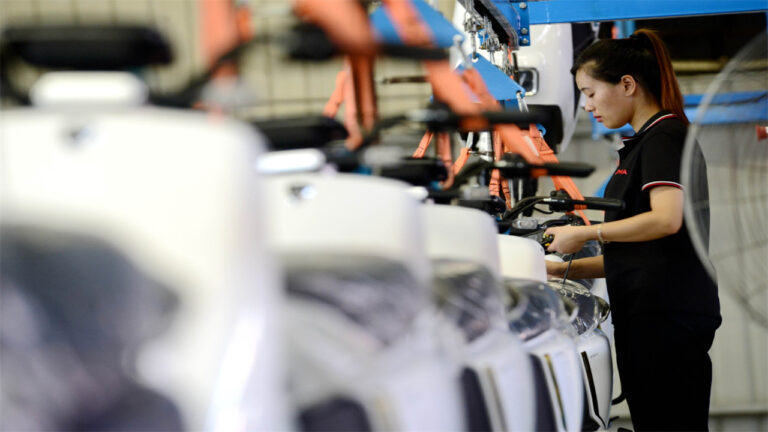
2 Wheel Motorcycle Assembly Line Supplier: Key Features and Characteristics of Assembly Line

2 Wheel Motorcycle Assembly Lines are Suitable to Assemble/Produce 2 wheel Motorcycles, 2 wheel Scooters, 2 wheel Electric-cycles, 2 wheel E-Bikes, Bicycles, and so on.
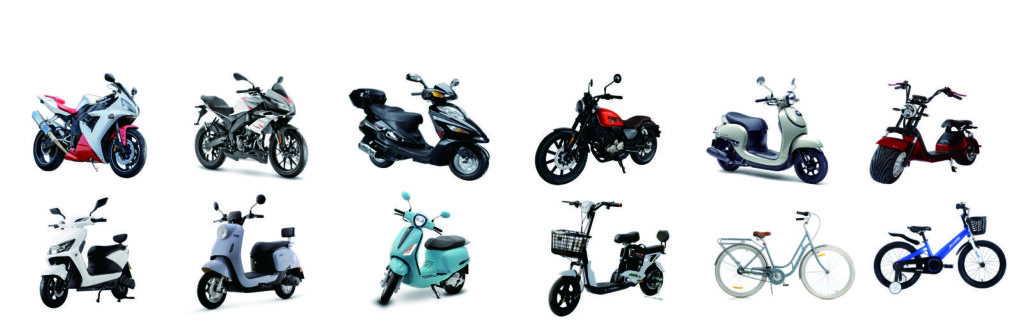
A two-wheel motorcycle assembly line is a highly specialized manufacturing process designed for the efficient and precise assembly of motorcycles. Here are the key features and characteristics of such a production line :
- Efficient Workflow: The assembly line is designed to optimize the workflow, ensuring that each step of the assembly process is carried out in a smooth and logical sequence. This reduces the time taken for each assembly and improves overall productivity .
- Modular Workstations: Each workstation on the line is responsible for specific assembly tasks, allowing for a high degree of specialization and ensuring that each part of the assembly process is completed to a high standard .
- Robotic Automation: To increase efficiency and reduce the potential for human error, many assembly lines incorporate robotic automation for repetitive or precision tasks, such as engine assembly and welding .
- Quality Control Systems: The assembly line includes rigorous quality checks at various stages to ensure that each motorcycle meets the required standards before it moves on to the next workstation .
- Customized Design: The production line can be customized to meet the specific needs of different motorcycle models, allowing for flexibility in production .
- Conveyor Belt Systems: These systems move motorcycles between different workstations, ensuring a smooth transition and minimizing the time taken for each assembly .
- Training and Management: Workers are trained to operate efficiently and safely, and the assembly line is managed to ensure that production targets are met without compromising on quality .
- Material Supply and Inventory Management: The line is supported by a reliable supply of parts and materials, with an efficient inventory management system to prevent production delays .
- Information Management Systems: Modern assembly lines often incorporate information management systems that help monitor and control the production process, providing real-time data to optimize efficiency and reduce downtime .
- Maintenance and Continuous Improvement: The assembly line is regularly maintained and updated to ensure it operates efficiently, with a focus on continuous improvement to adapt to new technologies and production methods .